Maple Guard Locksmith Hamilton Service Team
Local locksmith team
Aug 24, 2026 8 min read
You've just moved into a new place on Fennell Avenue, inherited a property near Ancaster, or maybe a roommate recently moved out — and now you're wondering whether you need to change every lock or if rekeying is enough. It's one of the most common questions our team at Maple Guard Locksmith Hamilton hears, and the honest answer is: it depends entirely on the type of lock you have. Rekeying is a genuinely smart, cost-effective solution in many situations, but not every lock is built to support it.
This guide breaks down exactly which locks can be rekeyed, which ones can't, and when a full lock installation is the wiser call for Hamilton homeowners. We'll cover everything from standard door knob locks and deadbolts to mortise locks and modern smart locks — so you can make a confident, informed decision rather than guessing.
## What Rekeying Actually Does — and Why It Matters
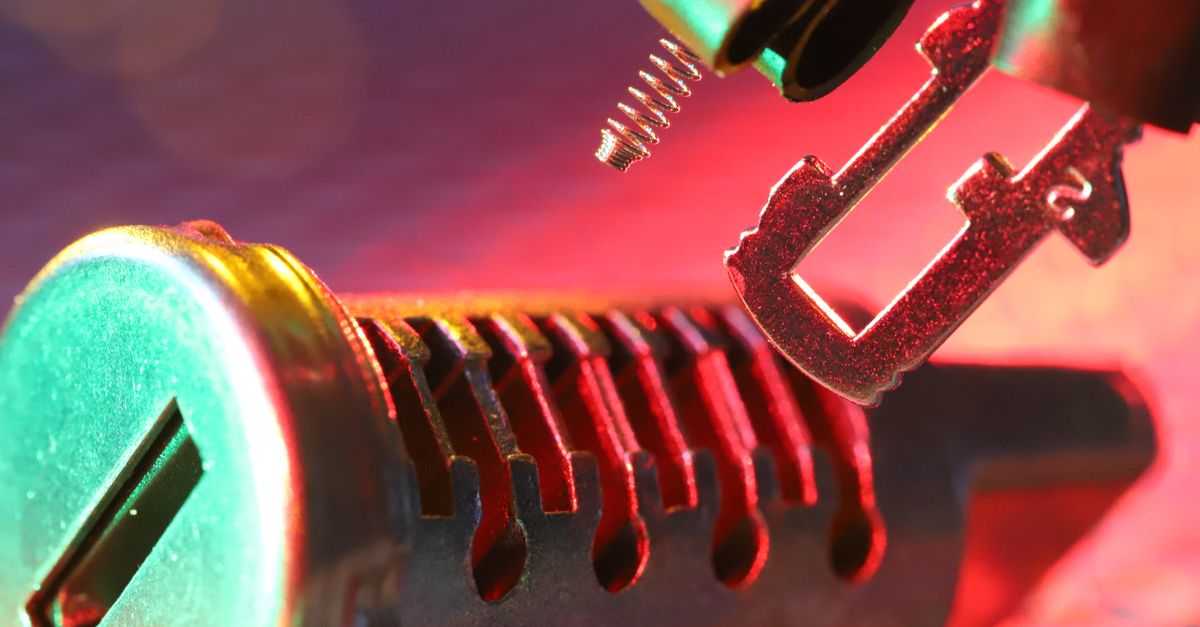
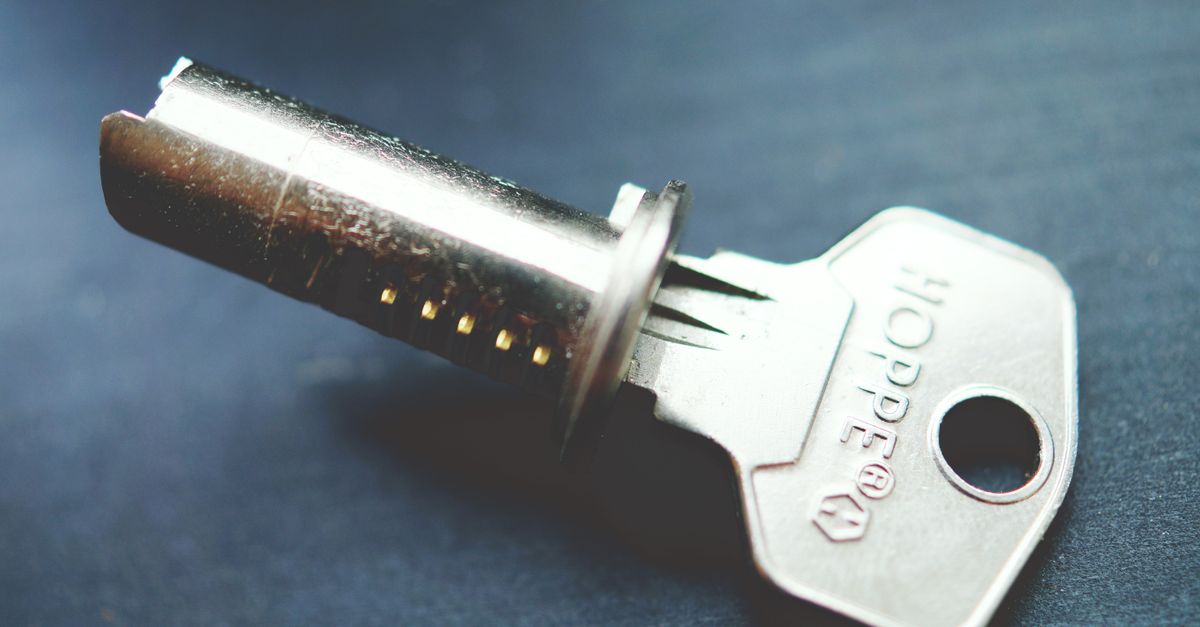
Rekeying a lock means a locksmith changes the internal pin configuration inside the lock cylinder so that the old key no longer works and a new key does. The hardware itself stays in place — only the pins change. This is particularly useful after a move, a tenant change, a lost key, or any situation where you're unsure who might still have a copy of your current key. It's faster than a full lock installation, and because you're keeping the existing hardware, it typically involves fewer parts.
The critical thing to understand is that rekeying only works when the lock cylinder is in good condition and the lock model is supported by a standard pinning kit. A lock that's worn, damaged, or built on a proprietary system may not be rekeyable at all — or rekeying it may give you only a false sense of security. That's why a trained locksmith should assess the lock before recommending a path forward.
## Mortise Lock Rekeying: What Hamilton Homeowners Should Know
The mortise lock is one of the most common lock types found in older Hamilton homes — particularly in neighbourhoods like Kirkendall, Strathcona, and Durand where century-old brick homes still have original or early-replacement door hardware. A mortise lock sits inside a rectangular pocket (the mortise) cut into the door edge, and it combines a latch and a deadbolt into a single, robust unit. Because of this complexity, mortise lock rekeying is a specialised service that not every locksmith handles confidently.
The good news: most quality mortise locks can be rekeyed, provided the cylinder is in good working order and the correct replacement pins are available for that model. Schlage, Kwikset, and other reputable manufacturers make mortise cylinders with standard pin configurations. However, older or imported mortise locks may use non-standard keyways, meaning the pinning kits simply don't exist — in those cases, a mortise lock cylinder replacement or a full door lock installation is the better route. Our team works with mortise locks regularly across Hamilton and can tell you within minutes whether yours is rekeyable or due for an upgrade.
## Which Locks Can Be Rekeyed — and Which Can't
Most standard pin tumbler locks can be rekeyed. This includes typical residential deadbolts, door knob locks, and lever-handle locks from mainstream brands. If your home has a Schlage B-series deadbolt or a Kwikset door knob lock in reasonable condition, rekeying is usually straightforward. The same applies to many commercial lock cylinders used in office buildings and retail spaces across Hamilton — a commercial locksmith can rekey multi-cylinder systems to a single master key, which is an enormous convenience for property managers.
However, several lock types are either difficult or impossible to rekey. Wafer locks (commonly found on older filing cabinets and some interior doors) have a different internal mechanism that doesn't use pins — rekeying isn't an option. Tubular locks, disc-detainer locks, and many smart locks use entirely different security mechanisms. Smart lock installation, for example, typically involves electronic credentials rather than mechanical pins — so 'rekeying' a smart lock means resetting access codes or digital keys through the manufacturer's app, not physically changing pins. High-security locks with sidebars or restricted keyways can sometimes be rekeyed, but only by a locksmith with access to the correct proprietary blanks and tools. And any lock that's visibly damaged — corroded pins, a seized cylinder, stripped screws — should be replaced rather than rekeyed, because rekeying a compromised lock won't make your door any more secure.
## When Replacing the Lock Is the Smarter Call
There are situations where pushing for a rekey is a mistake. If your door knob lock or deadbolt is more than 15–20 years old, the internal springs and pins are likely worn, and a fresh rekey may not solve problems like sticking, difficult turning, or keys that don't fully engage the bolt. In those cases, a new door lock installation gives you a clean start with fresh tolerances and a current security grade. The same logic applies after a break-in attempt — even if the lock wasn't forced open, a tampered or stressed cylinder should be replaced, not rekeyed.
Upgrading your security level is another strong reason to move straight to lock installation rather than rekeying. If you currently have a basic Grade 3 door knob lock on your front entry, rekeying it doesn't change the fact that it offers minimal kick-in resistance. Stepping up to a Grade 1 deadbolt, a mortise lock, or even a smart door lock installation gives you a meaningfully stronger door — and in many cases, that's the conversation Hamilton homeowners should be having rather than just rekeying what's already there. If you're unsure which direction makes sense for your specific hardware, our team can assess your doors and give you a straight answer — call (289) 512-9870 any time, day or night.
Commercial properties have their own layer of complexity. If you're managing a multi-unit building, a warehouse, or a retail space in Hamilton's downtown core or the Stoney Creek industrial area, a commercial lock installation with a master key system or electronic access control often makes more sense than rekeying individual cylinders one by one. A commercial locksmith can design a keying hierarchy so that a manager's key opens every door while staff keys only open designated areas — that's a level of access control a simple rekey can never achieve.
## Emergency Locksmith Situations: Rekey or Replace on the Spot?
Sometimes the question of rekeying versus replacing comes up under pressure — you're locked out, a key was stolen, or you've just had an incident and need your locks changed tonight. As an emergency locksmith serving Hamilton and the surrounding area 24 hours a day, we handle exactly these situations. When you call us out in an emergency, our first step is always to assess the lock before recommending anything. If the lock is solid and rekeyable, we'll say so. If it's damaged, outdated, or poses a security risk, we'll recommend the right lock installation service and explain why — before any work begins.
One important note on pricing: the final quote for any rekeying or lock installation service depends on several factors — the type and brand of lock involved, whether it's a mortise lock or a smart lock installation, the number of locks being serviced, the time of day (after-hours emergency calls involve different logistics), and travel distance within the Hamilton area. We always confirm the exact price with you before we start, so there are no surprises on the invoice. Whether it's a single door knob lock rekey at 2 p.m. or a full commercial lock installation at midnight, you'll know the cost upfront.
Frequently asked questions
Can a locksmith rekey a mortise lock?+
Yes, in most cases — but it depends on the condition of the cylinder and whether the lock uses a standard keyway. Most quality mortise locks from recognised manufacturers can be rekeyed by an experienced locksmith. However, older or imported mortise locks sometimes use non-standard keyways for which pinning kits don't exist, making cylinder replacement or a full door lock installation the better option. Our team will inspect your mortise lock and tell you honestly which route makes sense.
How do I know if my lock needs to be rekeyed or fully replaced?+
A good rule of thumb: if the lock is in good physical condition, less than 15 years old, and you simply want to invalidate old keys, rekeying is usually the right move. If the lock is worn, damaged, corroded, low-security grade, or you want to upgrade to a smart lock or higher-grade deadbolt, a new lock installation is the smarter call. A trained locksmith can make this assessment in minutes — our team is available 24/7 at (289) 512-9870 if you want a quick consultation.
Can smart locks be rekeyed?+
Not in the traditional sense. Smart lock installation replaces the mechanical pin-tumbler system with electronic credentials — keypads, app access, or key fobs — so there are no pins to rekey. If you need to revoke access on a smart lock, you reset or delete the digital credentials through the manufacturer's app or control panel. That said, many smart locks still include a physical key cylinder as a backup, and that cylinder can sometimes be rekeyed independently. A locksmith experienced in smart door lock installation can walk you through both options.
What factors affect the cost of rekeying versus lock installation in Hamilton?+
Several things influence the final quote: the type of lock (standard deadbolt, door knob lock, mortise lock, or smart lock), the number of locks being serviced, whether any new hardware or parts are needed, the time of day (emergency after-hours calls involve different logistics), and travel distance within the Hamilton area. We never start work until you've confirmed and agreed to the exact price — no hidden fees, no after-the-fact add-ons. To get a straight answer for your specific situation, call us at (289) 512-9870.