How Key Fob Programming Actually Works — and Why It Goes Wrong
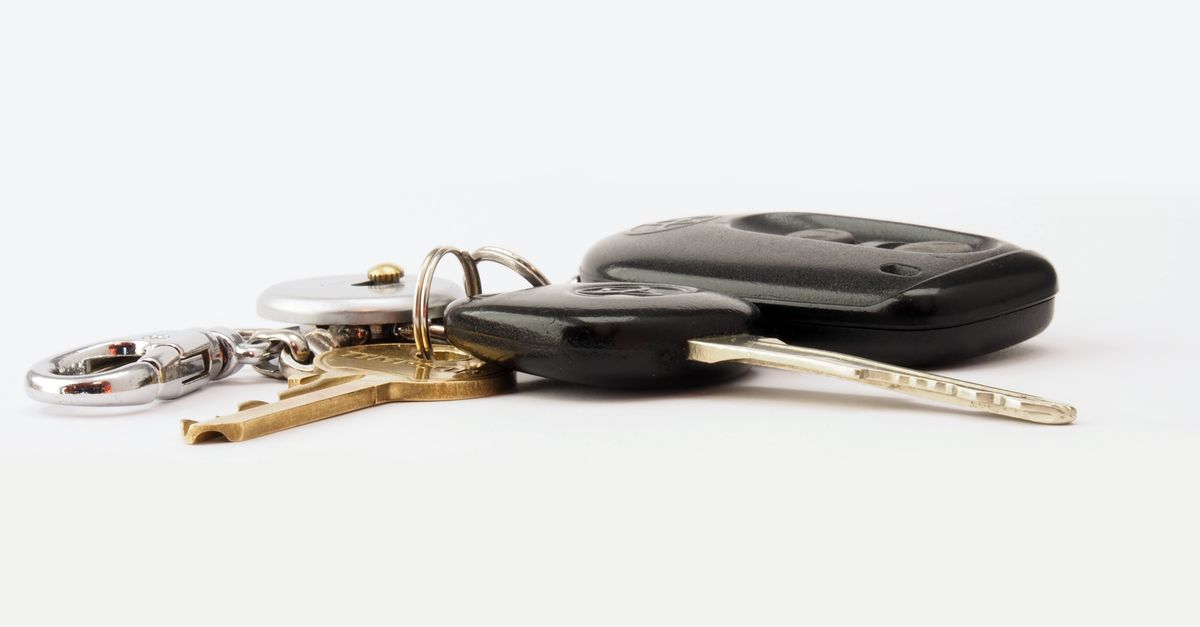
Every modern remote key fob shares an encrypted identity with the vehicle's Body Control Module (BCM) or immobiliser ECU. When that pairing is lost — through a dead battery that wipes volatile memory, water intrusion into the fob's circuit board, a BCM reset after a repair, or simply purchasing a replacement fob — the vehicle will not recognise the signal, and doors stay locked or the engine refuses to crank. Cloning a fob's rolling code without the correct equipment produces a key that looks right but never works. Our technicians use OEM-compatible interfaces that communicate directly with the vehicle's CAN bus, write the correct cryptographic seed, and verify the link before we pack up.
Common failure scenarios we see across Hamilton include fobs damaged by the salt spray that coats cars during our harsh Lake Ontario winters, units lost in the crowd at FirstOntario Centre on a game night, and second-hand vehicles purchased privately where the seller never had a spare. Each situation requires a slightly different approach — sometimes a simple re-pair, sometimes a full replacement with a new OEM or quality aftermarket shell and transponder chip — and we walk you through exactly which option applies to your car before work begins.