What Is a Mortise Lock and Why Do Hamilton Homes Have So Many?
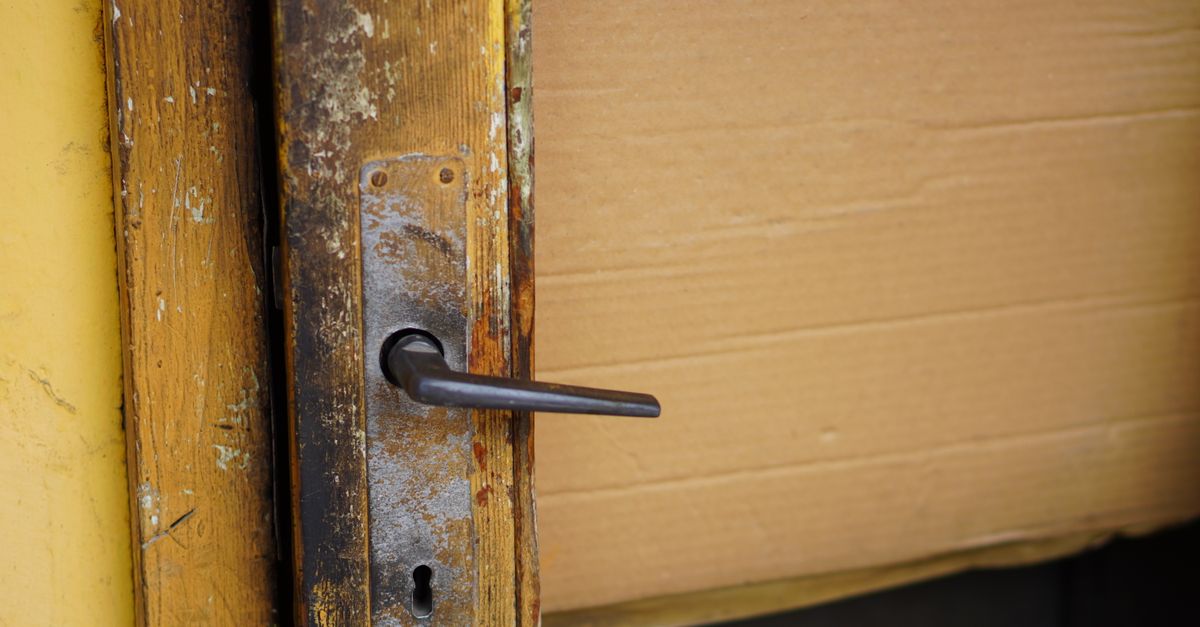
A mortise lock is a complete locking mechanism — latch, deadbolt, and sometimes a privacy function — housed inside a rectangular steel or cast-iron case that is recessed directly into a pocket (the "mortise") cut into the door stave. Unlike a standard cylindrical lock that sits in a simple bored hole, a mortise lock set requires precise carpentry, which is partly why modern tract housing moved away from them. But Hamilton's older neighborhoods never left them behind. If your home was built before the 1960s — and a significant portion of Hamilton's housing stock was — there is a very good chance your front door still carries one of these deep, heavy cases behind its original backplate.
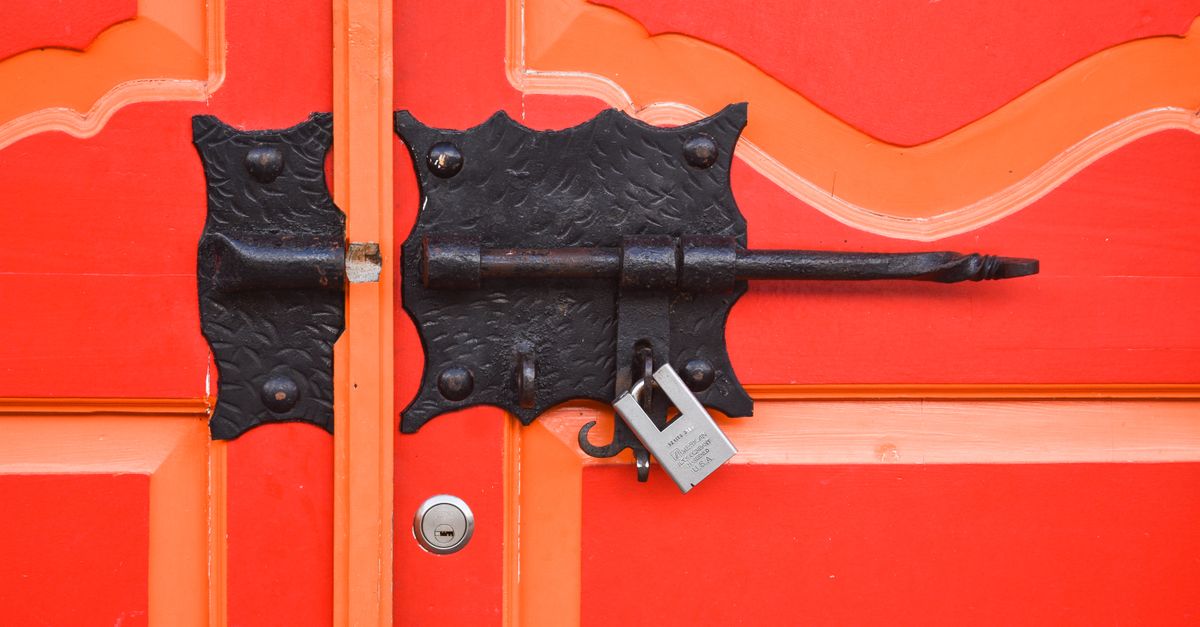
The advantage of a properly functioning mortise lock is real: the multi-point mechanism (latch + bolt controlled from a single case) offers solid resistance compared to a standalone knob lock or deadbolt. The disadvantage is that when a component fails, you can't simply swap in a big-box replacement. The case length, backset, hub size, and cylinder format all have to match. Our technicians are familiar with the hardware profiles common to Hamilton's older streets — including the Corbin Russwin mortise lock variants and Baldwin mortise lock styles that show up regularly in heritage properties and older commercial buildings around the downtown core.