Maple Guard Locksmith Hamilton Service Team
Local locksmith team
Oct 27, 2026 11 min read
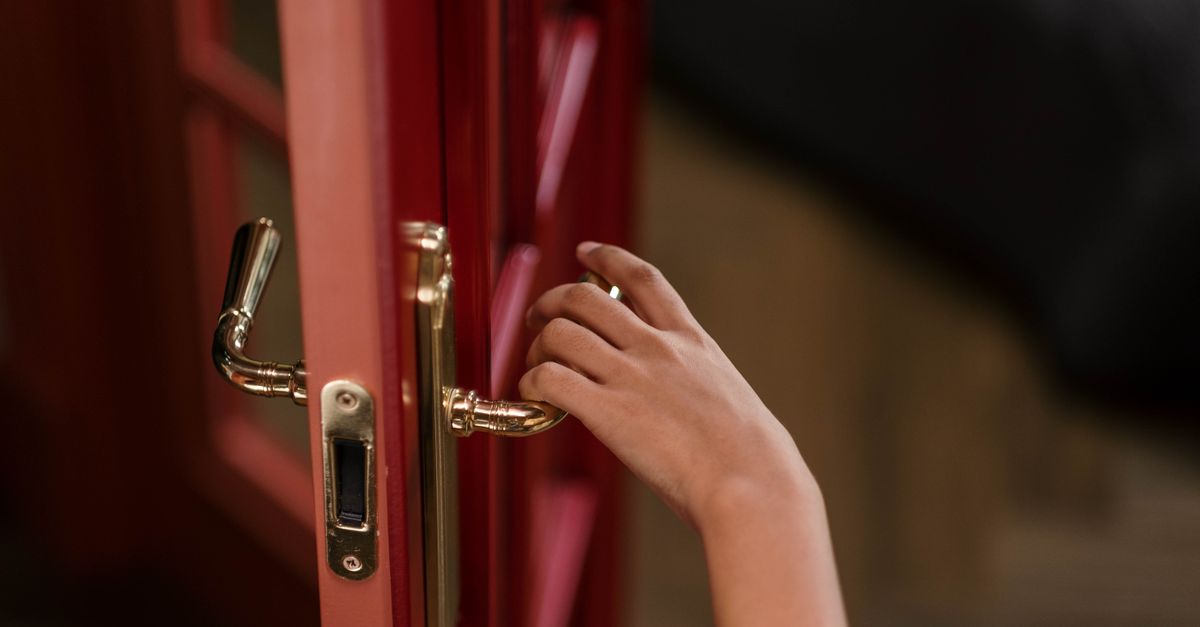
Moving into a suite near Locke Street or tucking into one of Hamilton's older century-row homes on the Mountain can be exciting — but it often comes with a lock that dozens of previous tenants have used, and possibly a handful of copies of your key floating around the city. As a renter, you have more security options than most people realize, and knowing the difference between what you can do yourself, what requires landlord approval, and what a trained locksmith can handle quietly and professionally is the first step toward actually feeling secure behind your own front door.
This guide walks Hamilton renters through the practical side of suite door security: what the Ontario Residential Tenancies Act actually allows, the right questions to put to your landlord before spending a cent, and the specific lock upgrades — from rekeying a mortise lock to adding a secondary deadbolt — that a skilled locksmith can complete without damaging your unit or voiding your lease.
## Know Your Rights Before You Change a Lock
Under Ontario's Residential Tenancies Act, a landlord cannot change your lock without giving you a new key, and — critically — you can request a lock change if you have a legitimate safety concern, such as moving into a unit where previous tenants may still have key copies. That said, you generally cannot alter or replace a lock without your landlord's written consent, and any work done must leave the door in at least its original condition when you move out. The safest path is a short written request explaining your concern, proposing a specific upgrade (rekeying, adding a chain, installing a deadbolt), and offering to provide your landlord with a copy of any new key. Most landlords agree quickly once the request is framed in terms of protecting the property.
Where things get complicated is with older Hamilton rental stock — and there is a lot of it. Many century homes converted into triplexes or basement suites still have original mortise locks: those large, boxy mechanisms set deep into the door edge rather than mounted through a bore hole. A mortise lock is actually more robust than a standard cylindrical knob lock, but its cylinder can be just as easily rekeyed or upgraded as any modern lock. If your suite has one, do not assume it cannot be improved — and do not let anyone tell you it needs to be replaced entirely just to get new keys cut.
## How to Rekey a Lock: What It Means and Why Renters Should Ask for It First
Rekeying a lock means a locksmith changes the internal pin configuration of the existing cylinder so that only a brand-new key operates it. The lock hardware itself stays in place — the door, the strike plate, and the bolt mechanism are completely untouched. For renters, this is the ideal first step because it satisfies most landlords (no structural change to the door), it is faster and typically simpler than a full lock swap, and it immediately cancels every key copy that was ever cut for that cylinder. Understanding how to rekey a lock is important: it is not a DIY task involving disassembly and a pin kit from a hardware store — done incorrectly it can leave the lock in a state where it operates inconsistently or fails altogether. A trained locksmith brings the right plug follower, the correct replacement pin sizes, and the experience to rekey a mortise lock, a Schlage deadbolt, or a Kwikset knob lock in the same visit. If you are moving into a new suite anywhere from Stoney Creek to Dundas, rekeying is the single most effective security step per dollar spent, and it is the conversation to start with your landlord.
## Door Knob Lock, Mortise Lock, or Deadbolt — Which Does Your Suite Actually Have?
Hamilton's rental housing spans about 150 years of construction, which means the lock on your suite door could be almost anything. A standard door knob lock — the kind with a small twist button or push-button in the centre of the interior knob — offers minimal security on its own. The latch bolt is spring-loaded, meaning it can sometimes be manipulated through the gap between the door and frame, and the lock is not designed to resist sustained force. If a door knob lock is your only layer of protection, it is worth discussing an upgrade with your landlord. A single-cylinder deadbolt added above the knob is the most common improvement and requires only a standard bore hole that most doors already have or can accommodate without damage.
A mortise lock, by contrast, sits inside a pocket routed into the door edge and typically operates both a deadbolt and a latch from a single faceplate. These are common in Hamilton's older Durand, Stipley, and Gibson neighbourhood rentals. The good news is that mortise lock cylinders can be replaced or rekeyed by an experienced locksmith without pulling the whole unit — a significant advantage in a rental context where you want security improvements that are fully reversible. If you are unsure what kind of lock your suite has, send a photo to our team before booking and we can advise on the right approach before anyone drives out. For suites that also need building-entry or mailbox rekeying, we handle those in the same visit. If you would like to get ahead of a security concern tonight, call (289) 512-9870 — we answer around the clock.
## Smart Lock Upgrades Renters Can Actually Use
Keypad and smart locks have become popular in rental suites because they eliminate the lost-key problem entirely. If you are wondering how to change the code on a keypad door lock after moving in — or how to change a door lock code when a roommate moves out — the process varies by manufacturer but almost always involves holding a programming button, entering the existing master code, and following a short sequence to register a new user code. Schlage and Kwikset both publish clear instructions for their keypad models, and if the previous tenant set the master code and never handed it over, a trained locksmith can factory-reset most models without damaging the unit.
Before purchasing any smart or keypad lock for your suite, confirm with your landlord that installation is permitted and clarify who holds the master code. Some landlords are happy to allow the upgrade as long as they receive a copy of the master code and the unit is returned to its original lock on move-out. Others prefer to keep a traditional keyed system. Either way, if you are changing the code on a door lock that already has a keypad, that is generally considered normal operation rather than an alteration — so it is usually within your rights as a tenant without any formal approval needed. Just keep a written record of what codes were set and when.
## When to Call an Emergency Locksmith — and What to Expect
A lockout is the most common reason Hamilton renters call us late at night — but it is far from the only one. A broken key extracted from a mortise lock, a deadbolt that has seized in cold weather, a door that will not latch after a forced-entry attempt, or a lock that has been tampered with all warrant a same-night call to an emergency locksmith rather than a temporary workaround. When you call, our dispatch will ask for your address, the type of lock you have (if you know it), and whether you are the tenant of record — standard ownership verification that any professional locksmith will perform before touching a lock.
What determines your final quote is straightforward: the type of lock involved (a mortise lock service differs from a simple knob lock rekey), the time of day, how far our mobile unit is traveling within the Hamilton area, and whether replacement parts or a new cylinder are needed. We confirm an exact price before any work begins — no surprises on the invoice. Our team operates across the entire Hamilton coverage area, from Ancaster to Binbrook, and we carry the parts to handle most residential and light commercial lock work from the van. Whether you need a straightforward deadbolt rekey at 2 p.m. or an emergency mortise lock repair at 2 a.m., the number is the same: (289) 512-9870, available 24 hours a day, seven days a week.
## A Locksmith's Services: More Than Just Lockouts
Renters often do not realize how broad a trained locksmith's scope of work actually is. Here is a snapshot of what our team can handle in a single visit or on a scheduled call across the Hamilton area: residential lock rekeying, mortise lock cylinder replacement, mortise lock repair, deadbolt installation, door knob lock replacement, keypad lock installation, smart lock setup and programming, master code reset on keypad locks, broken key extraction, door hinge reinforcement, strike plate upgrade to heavy-duty, lock grade assessment and recommendation, key duplication, high-security key cutting, mailbox lock replacement, building entry lock service, sliding door lock installation, window lock installation, chain and barrel bolt installation, storage locker lock change, garage door lock service, padlock replacement, car lockout service, vehicle key programming, and ignition lock cylinder service. If your situation involves a commercial locksmith need — a shared building entrance, a property manager's master key system, or a commercial-grade lock on a ground-floor suite — we handle that too, and the process of getting a quote is exactly the same: one call, one honest price before we start.
Frequently asked questions
Can my landlord refuse to let me rekey my suite's lock in Ontario?+
Under the Ontario Residential Tenancies Act, a landlord cannot unreasonably withhold consent to a security-related lock change, particularly if you can show a legitimate concern such as unknown key copies existing. Put your request in writing, propose the specific work (rekeying rather than full replacement), and offer to provide the landlord with a new key. In most cases, landlords agree. If consent is genuinely refused and you have a documented safety concern, contact the Landlord and Tenant Board for guidance on your options.
I moved into my Hamilton suite and the lock has a keypad, but I don't know the code. What can I do?+
Do not assume you are locked out of the ability to reset it. Most keypad locks — including popular Schlage and Kwikset models — have a factory-reset procedure that restores the unit to its default programming code, after which you can set a completely new user code. If you are wondering how to change the code on a door lock and the manual is not available, a trained locksmith can identify the model and walk through the reset, or perform it for you in minutes. The important thing is to document the new code and share it with your landlord if your lease requires it.
My door has an old mortise lock. Can it be rekeyed or does it need to be replaced entirely?+
In almost all cases a mortise lock cylinder can be rekeyed or swapped out without replacing the entire lock body. This is good news for renters because it means the door and frame are left completely intact. A skilled locksmith removes the cylinder from the mortise body, either rekeys it on-site or installs a matching replacement cylinder, and reinstalls it — the whole process typically takes less time than a full lock change. If the mortise lock body itself is damaged or the mechanism is worn, a locksmith can assess whether repair or full replacement is the better path and explain the factors that affect the cost before any work begins.
Is it safe for me to try picking or bypassing my own door knob lock if I get locked out?+
We understand the temptation when you are standing in a hallway at midnight, but attempting to pick or bypass a lock yourself — even your own — carries real risks: damaging the cylinder so it can no longer be rekeyed, breaking a pick tool inside the keyway, or scratching the door. More practically, most people do not succeed, and the attempt wastes time. The right steps are: check for a spare key with a trusted neighbour or property manager, see if another entrance to the suite is accessible, and if neither works, call an emergency locksmith. Our team is mobile across Hamilton and available 24/7 at (289) 512-9870 — we can usually get to you faster than most people spend failing to pick a lock themselves.


