Maple Guard Locksmith Hamilton Service Team
Local locksmith team
Nov 11, 2026 11 min read
It starts innocently enough — you slide your key into the front door lock after a long day, and nothing happens. The key won't turn. Or worse, it turns partway and then jams, refusing to come back out. Whether you're standing on your porch off Locke Street South or trying to get into your car at the Limeridge Mall parking lot, a stuck key is one of those problems that escalates fast when you force it. One too many yanks and you're dealing with a snapped key inside the lock — a much bigger headache than the original jam.
The good news is that most stuck-key situations in Hamilton follow one of three patterns, and understanding which pattern you're in tells you exactly what to do next. This guide walks you through the real causes — worn keys, failing lock cylinders, and misaligned door frames — explains how to tell them apart without damaging anything, and makes clear when calling a trained locksmith is the smartest move you can make.
## Why Keys Get Stuck: The Three Causes Hamilton Homeowners Run Into Most
A stuck key almost always traces back to one of three things: the key itself has worn down or been bent, the lock cylinder has degraded internally, or the door frame has shifted so the latch or bolt is under mechanical stress. Each cause has its own warning signs, and misreading them is how people end up snapping keys or stripping lock cylinders. Before you do anything else — stop pulling. Steady, side-to-side wiggling while applying gentle turning pressure is far less likely to cause damage than a straight yank.
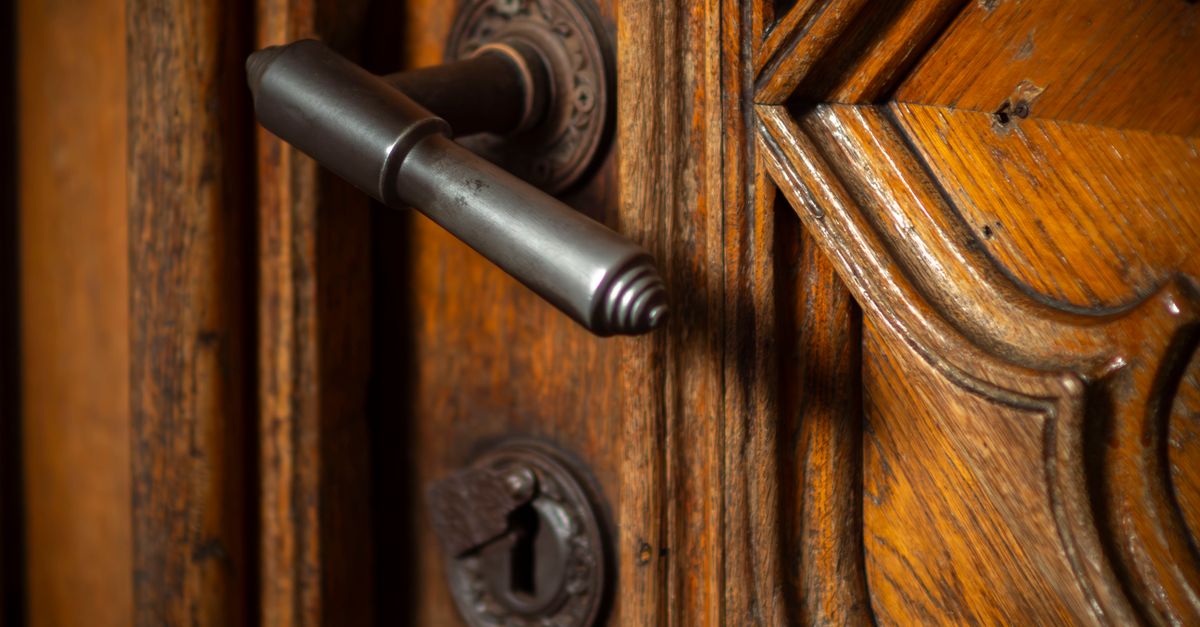
Hamilton's older housing stock, particularly the century homes common in the Durand and Kirkendall neighbourhoods, presents a specific challenge: many of these properties still run on legacy hardware, including the full mortise lock assemblies that sit inside the door edge rather than through it. A mortise lock has more internal components than a standard deadbolt, which means more points of potential failure — worn cams, broken springs, corroded tailpieces. If your home has original pre-1970s hardware, age-related cylinder failure is a serious possibility and not something a DIY approach handles well.
## Cause 1 — Worn or Damaged Keys (and How to Tell)
Keys are soft metal, and they wear. Every time you insert and remove your key, microscopic material is lost from both the key and the cylinder's internal pins. After years of daily use, the cuts on your key may be just shallow enough that the pins inside the lock don't lift to the correct height — leaving the cylinder frozen mid-turn or refusing to release the key when you try to withdraw it. Hold your key up next to a spare (if you have one) and look at the tip and the shoulder: if the cuts look rounded rather than crisp, or if the key is slightly bent, that's your culprit.
The fix here sounds simple — get a new key cut — but there's a catch. If you copy a worn key, you just get a slightly-off copy of a slightly-off original. Always have a locksmith or key-cutter work from the lock's bitting code or measure the key properly. And if the key is currently stuck in the lock, do not attempt to pull it free with pliers unless you are prepared for the key to snap. Apply a small amount of dry graphite lubricant to the visible portion of the key, work it gently back and forth without forcing, and call for help if it doesn't release within a minute or two of careful effort.
## Cause 2 — A Failing Lock Cylinder (the Emergency Locksmith Scenario)
When the key isn't the problem, the cylinder usually is. Lock cylinders fail gradually — first you notice the key is stiff, then you need to jiggle it to get the lock to engage, and eventually the cylinder seizes entirely. Cold Hamilton winters accelerate this process significantly: moisture works its way into the cylinder, freezes, and slowly destroys the internal springs and driver pins. Corrosion from road salt is a particular issue for exterior doors that face the street or for vehicle locks on cars driven year-round on Hamilton's salted roads.
A seized or failing cylinder is an emergency locksmith situation, not a hardware-store run. Forcing a key into a compromised cylinder can push broken pin fragments deeper into the housing, making professional extraction harder and potentially destroying the lock entirely. If your key turns only partway and then stops hard — with no give in either direction — treat it as a cylinder failure until a skilled locksmith tells you otherwise. At Maple Guard Locksmith Hamilton, our mobile team carries cylinder extraction tools and a full range of replacement cylinders, so we can diagnose, extract a stuck key, and rekey or replace the lock in a single visit. If you're locked out and not sure what you're dealing with, the safest call is to us at (289) 512-9870 — we're on the road 24/7 across Hamilton and the surrounding areas.
## Cause 3 — Door Misalignment and What a Door Knob Lock Has to Do With It
Here's the scenario: your key turns fine, but the lock bolt won't retract fully, or the door won't open even after the cylinder turns. The problem isn't the lock — it's the door. Hamilton's clay-heavy soil causes seasonal foundation movement, and houses near the Escarpment see particular stress from freeze-thaw cycles. When a door frame shifts even a few millimetres, the latch or deadbolt can bind against the strike plate, putting mechanical load on the lock that the cylinder was never designed to handle. Forcing the key in this situation transmits all that stress directly into the cylinder's cam and tailpiece.
A door knob lock in a sticking or binding door is especially prone to this — the spring latch inside the knob assembly is small and not built to overcome significant frame pressure. Signs of misalignment include a door that drags on the frame when you open or close it, visible daylight gaps that aren't uniform around the door edges, or a latch that leaves a wear mark in the wrong spot on the strike plate. The short-term fix is often as simple as repositioning the strike plate by a few millimetres — a job a qualified locksmith can handle quickly. The longer-term fix may involve a carpenter addressing the door or frame itself, but getting the hardware working correctly first tells you exactly how much movement you're dealing with.
## What To Do If You're Locked Out — and When To Call for Help
If the stuck key situation has progressed to a full lockout — the key is inside the lock and won't come out, or broke off inside — your first step is simply to stop. Check whether another entry point is available: a back door, a window that's legitimately accessible to you, or a trusted neighbour or family member who holds a spare. These are the only self-help options worth trying, because they carry no risk of damage and no ambiguity about access rights. If you're wondering what to do if you're locked out of your house and none of those options exist, that's when a professional extraction and lockout service is both the fastest and the safest path forward.
What to do when you're locked out of your house is a question we answer at (289) 512-9870 every single day — often at 2 a.m. and in the middle of January ice storms. Our mobile units cover Hamilton from the Stoney Creek waterfront to Ancaster, and we can typically reach most Hamilton addresses quickly. When we arrive, we verify ownership or occupancy before any work begins, we assess the lock and key condition on the spot, and we give you an exact confirmed price before we touch anything. The factors that shape that price include the type of lock involved, the time of day, travel distance, and whether parts need to be replaced — there are never surprise charges added after the fact. If the situation calls for a full lock change, we walk you through your hardware options on the spot and handle the installation immediately if you want to proceed.
## Prevention: Rekeying, Lock Changes, and Keeping Your Cylinder Healthy
Most stuck-key emergencies are preventable. Lubricating your lock cylinders twice a year with dry graphite spray (not WD-40, which attracts dirt and gunks up pin stacks over time) dramatically extends cylinder life. Getting duplicate keys cut from an original rather than from a copy keeps your key profile accurate. And having a locksmith inspect your hardware every few years catches worn cylinders, loose set screws, and misaligned strikes before they strand you outside your own home.
If you've recently moved into a Hamilton property — whether it's one of the newer builds in Waterdown or a renovated Victorian in the North End — the single most practical thing you can do is change your lock or at minimum have it rekeyed. Rekeying reconfigures the existing cylinder to work with a new key, rendering all previous keys useless, and it costs significantly less than a full hardware replacement. When you change your lock entirely, you're choosing new hardware with a fresh cylinder and no history of previous key copies floating around. Both options are services our team handles on the same mobile visit, with Schlage, Kwikset, and other quality hardware available. For commercial properties — restaurants, offices, and retail units along King Street East are a good example — a commercial locksmith assessment often reveals master-key system opportunities or access control upgrades that make ongoing security management far simpler than managing dozens of individual keys.
Frequently asked questions
My key is stuck halfway in the lock and won't come out — what should I do right now?+
Stop applying force immediately. With the key in its current position, spray a small amount of dry graphite lubricant at the point where the key enters the keyway and wait about 30 seconds for it to work into the cylinder. Then try very gently wiggling the key up and down while applying light turning pressure toward the unlocked position — not pulling straight back. If the key doesn't release within a couple of careful attempts, call a trained locksmith. Forcing the key risks snapping it inside the cylinder, which turns a recoverable situation into a full extraction job. Our team at Maple Guard Locksmith Hamilton carries the tools to remove a stuck or broken key without damaging the lock, and we're reachable at (289) 512-9870 around the clock.
What to do if you're locked out of your house and your key broke off in the lock?+
First, resist the urge to try removing the broken piece with tweezers or a bobby pin — if the fragment is pushed deeper into the cylinder, professional extraction becomes much harder. Check whether a rear or side door is accessible with another key, or whether a family member has a spare. If none of those options exist, contact a professional locksmith right away. We carry broken-key extractors sized for most residential and commercial cylinder types, and in most cases we can remove the fragment, assess the cylinder condition, and either rekey it or replace it on the same visit — all without damaging your door or frame.
Could a misaligned door really cause my lock cylinder to fail?+
Yes, and it's more common in Hamilton than most people expect. When a door frame shifts due to seasonal ground movement or age-related settling — something very common in Hamilton's older neighbourhoods and in homes near the Niagara Escarpment — the latch bolt or deadbolt presses against the strike plate at the wrong angle. Every time you lock or unlock the door, the cylinder is absorbing stress it isn't designed to handle. Over time this bends the tailpiece that connects the cylinder to the lock body, wears the cam, and can even crack the cylinder housing. A locksmith can identify misalignment quickly and adjust your strike plate as a first step, which often resolves the issue without any carpentry work.
How do I know whether I need to rekey my lock or change it completely?+
Rekeying is the right choice when your lock cylinder and hardware are in good condition but you want to invalidate old keys — after moving into a new home, losing a key, or ending a tenancy. It's a faster process and involves less hardware cost. A full lock change makes sense when the cylinder is worn or damaged, when you want to upgrade to higher-security hardware, or when you're changing the style or function of the lock entirely (for example, moving from a knob-and-deadbolt setup to a single-cylinder lever with a deadbolt). Our locksmiths will inspect your existing hardware and give you an honest assessment of which approach makes sense before any work begins. We confirm the exact price upfront, and the factors involved include the lock type, the hardware you choose if replacing, and the time of day we're called.