Maple Guard Locksmith Hamilton Service Team
Local locksmith team
Aug 10, 2026 12 min read
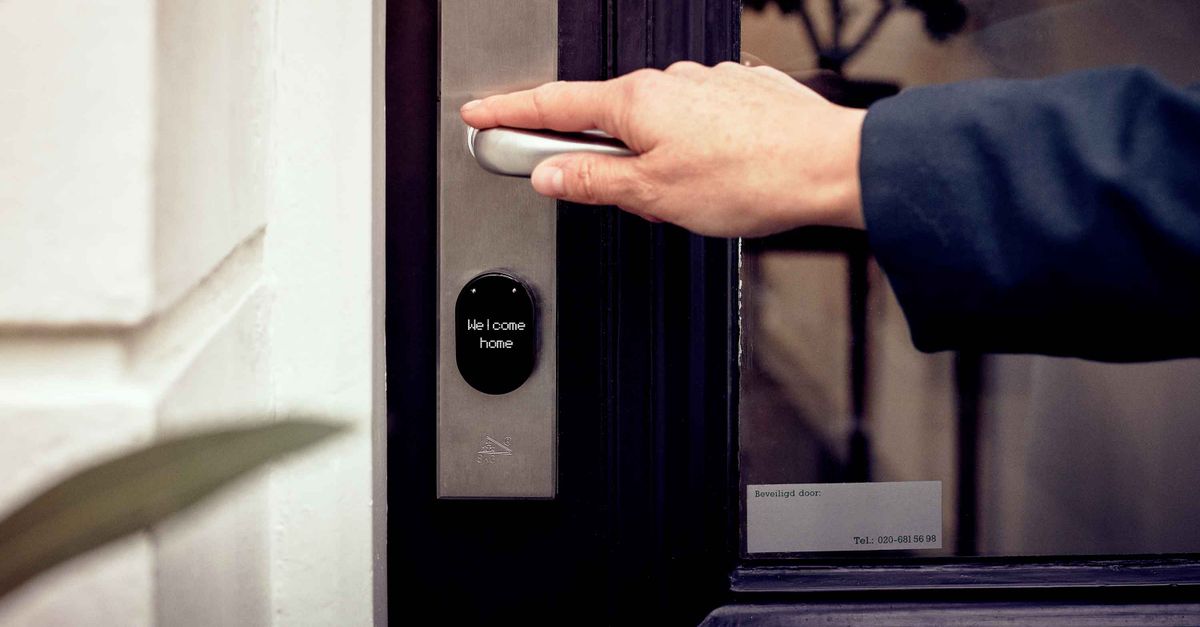
Smart locks have moved well beyond novelty status — Hamilton homeowners from Westdale to Stoney Creek are quietly swapping out traditional deadbolts for keypad, fingerprint, and app-connected locks that fit their daily routines. But walk into any hardware store or scroll through an online retailer, and the sheer number of options can turn a straightforward upgrade into a weekend of second-guessing. This guide cuts through the noise with plain-language comparisons, real compatibility checks, and the questions you should ask before you commit to a single model.
Whether you live in a century-old semi-detached near James Street North, a newer build in Ancaster, or a condo on Main Street West, the right smart lock depends on your door type, your existing hardware, and how you actually move through your day. Read on to figure out which lock suits your home — and when it makes sense to call in a professional for smart lock installation rather than risk a misaligned latch ruining a $300 device.
## Smart Lock Types: Matching the Lock to Your Door
The first fork in the road is lock type, and it matters more than most buying guides admit. The three main categories are deadbolt replacements, smart door knob lock upgrades, and full mortise lock assemblies. A deadbolt replacement is the easiest entry point — it slides into the existing hole in most standard doors and pairs with your current deadbolt strike plate. A smart door knob lock combines the latch and the smart hardware in one unit, which works well on interior doors or secondary entrances but is generally not strong enough on its own for a front door facing a Hamilton winter and the occasional determined intruder. The mortise lock is the heavy-duty option: a single rectangular cartridge recessed into the door edge that handles the deadbolt, latch, and sometimes a night latch all at once. Mortise locks are common in older Hamilton homes — especially pre-war brick houses in the Gibson and Landsdale neighbourhoods — and in commercial properties. If you already have a mortise lock, you cannot simply drop in a standard smart deadbolt; you need a smart lock designed for that format, or you need a locksmith to modify the door prep. Getting this wrong is one of the most common and costly smart lock mistakes homeowners make.
Before you buy anything, stand at your front door and check three things: the backset (the distance from the edge of the door to the centre of the knob hole — typically 2-3/8 inch or 2-3/4 inch), the cross bore diameter (usually 2-1/8 inch on most residential doors), and whether you have a single or double cylinder situation. If your door has a glass panel within arm's reach of the lock, a double cylinder that requires a key from the inside is a safety consideration worth discussing with a professional. Jot these measurements down before you shop. A mismatch between your door prep and the lock you order is the single biggest reason smart lock installations fail on the first attempt.
## Connectivity, Compatibility, and the Features That Actually Matter for Smart Lock Installation
Smart locks connect to your home through one of four main protocols: Bluetooth, Wi-Fi, Z-Wave, or Zigbee. Bluetooth-only locks are the simplest — your phone unlocks the door as you approach — but they require your phone to be physically nearby and offer no remote access. Wi-Fi locks connect directly to your home router so you can lock or unlock from anywhere and get real-time alerts, but they consume more battery and add a dependency on your internet connection. Z-Wave and Zigbee locks are mesh-network devices that work through a smart home hub (like a Samsung SmartThings or similar system); they are extremely reliable and battery-efficient, but they do require that separate hub investment and a bit more setup knowledge. For most Hamilton homeowners who are not already running a full smart home system, a lock with built-in Wi-Fi or a Bluetooth lock with an optional Wi-Fi bridge accessory hits the best balance of convenience and simplicity.
Beyond connectivity, the features worth paying attention to are auto-locking timers (the lock secures itself after a set interval — useful if you regularly forget), access logs (a timestamped record of every entry, valuable if you have kids, dog walkers, or tradespeople coming and going), temporary access codes (you can learn how to change the code on a keypad door lock for a one-time visitor and then delete it), and backup power options (an external 9-volt battery terminal on the outside of the lock keeps you from being stranded when the internals die). Weather resistance ratings matter in Hamilton's climate — look for locks rated for at least -40°C operation if the lock faces north or west where wind and ice accumulate. Features like fingerprint readers and built-in cameras add convenience but also add cost and more components that can fail. Prioritise the basics first, then layer in extras if the budget and door support them.
## Checking Deadbolt and Mortise Lock Compatibility Before You Buy
This is the step most online tutorials skip, and it is where homeowners end up calling us after a frustrating Saturday afternoon. Pull up the spec sheet for any lock you are considering and confirm: single-cylinder or double-cylinder, handed or non-handed (some locks are designed for a specific door swing direction), and whether the lock replaces or works alongside your existing hardware. If you have a mortise lock — again, very common in Hamilton's older housing stock and in any commercial locksmith context — confirm that the smart lock you are looking at is explicitly designed for a mortise format, not a cylindrical bore. Brands like Schlage and Kwikset both offer lines that work with standard bore patterns, and some specialty manufacturers produce retrofit smart cylinders that drop into an existing mortise body without replacing the whole cartridge. That second option can save significant effort on a heritage door where you do not want to rout a new pocket.
If you are renting out a unit, running a short-term rental, or managing a small commercial property along Upper James or Queenston Road, a keypad lock with a commercial locksmith-grade rating is worth the extra investment — residential-grade hardware is not built for the cycle count of a high-traffic door. Also consider whether your building's insurance policy has requirements about lock standards; some policies specify a minimum ANSI/BHMA grade, and a smart lock that does not meet that grade could create a gap in your coverage. When in doubt, a quick call to our team at (289) 512-9870 can confirm whether a specific model is appropriate for your door and your situation before you spend a dollar on hardware.
## Installation: DIY Limits and When to Call a Professional
A standard deadbolt replacement on a modern door with a correctly-sized bore is genuinely a DIY-friendly job if you are comfortable with a screwdriver and a tape measure. The process involves removing the existing deadbolt, sliding in the new smart lock's interior and exterior assemblies, connecting the wiring harness, installing the battery pack, and running through the setup app. Most quality locks include a paper template to align everything correctly. Where things go sideways: the door edge is not square, the bore is too small (common on older hollow-core doors), the strike plate does not align with the new bolt throw, or the door has a mortise lock that requires entirely different tooling to modify. Attempting to force a standard lock into a mortise prep or chisel a larger bore without the right tools can split a door edge or crack a stile — repairs that cost far more than the installation would have.
Professional smart lock installation is the right call in several specific situations: you have a mortise lock door, your door has a non-standard thickness (less than 1-3/8 inch or more than 1-3/4 inch), you are installing on a steel or fibreglass door that requires different drill bits and techniques, or you simply want the job done correctly the first time without troubleshooting a connectivity issue at 11 p.m. Our team handles smart lock installation across Hamilton and the surrounding area — the final price before we start any work reflects the lock type, door material, any modifications needed, and travel to your location, and we confirm that figure with you up front before touching anything. If you also want to know how to change a door lock entirely — swapping out an old knob-and-deadbolt set for a modern smart system — that is a service we handle regularly, including rekeying the new hardware to match your other entry points if needed. Speaking of which: if you have recently moved into a home on the Mountain or anywhere else in Hamilton, getting the locks rekeyed is one of the smartest first steps you can take, since you have no way of knowing how many copies of the original keys are floating around.
## Managing Codes, Access, and Everyday Security After Installation
Once your smart lock is in place, the maintenance side of security is ongoing and surprisingly simple. The most important habit is rotating your entry codes on a regular schedule — particularly after a tenant leaves, a contractor finishes a job, or a guest stay ends. Most keypad locks make this straightforward through their companion app, and knowing how to change the door lock code yourself means you are not dependent on anyone else to close that access window. The process is usually: open the app or access the lock's programming mode with the master code, navigate to user codes, select the code slot you want to change, enter the new code, and confirm. If you have lost the master code entirely and the lock will not respond to a factory reset, that is when a professional needs to step in — forcing a reset incorrectly can brick the lock's firmware.
Battery management is the unglamorous reality of every smart lock: set a calendar reminder to check battery levels every three to four months, and replace all batteries at the same time rather than one at a time to avoid voltage inconsistencies that confuse the electronics. Keep a physical spare key somewhere accessible — a trusted neighbour, a locked key box, or your car — as a backup for the scenario where the battery dies and you have forgotten the manual key override. For homes with a door knob lock on a secondary entrance, consider whether that knob should also be upgraded or at minimum rekeyed to match, so you are not carrying two separate keys for the same property. An emergency locksmith call at 2 a.m. because a dead smart lock battery caught you off guard is entirely preventable with a small amount of routine attention. If you are ever locked out despite your best planning, Maple Guard Locksmith Hamilton is available around the clock — call (289) 512-9870 any time and we will have a trained technician on the way.
Frequently asked questions
Can a smart lock be installed on a door that already has a mortise lock?+
Yes, but it requires a different approach than a standard cylindrical bore installation. Most consumer smart locks are designed for a standard 2-1/8 inch bore pattern, which is not compatible with a mortise lock pocket. Your options are: a smart lock specifically engineered for mortise format doors, a retrofit smart cylinder that replaces only the cylinder inside your existing mortise body, or having a professional modify the door prep to accept a standard smart deadbolt alongside the existing mortise hardware. The right choice depends on your door's condition, thickness, and material. We assess mortise lock doors regularly across Hamilton and can advise on the most practical solution without damaging the door.
How do I change the code on my keypad door lock if I have forgotten the current code?+
If you remember the master programming code, you can usually reset individual user codes through the lock's app or by entering programming mode directly on the keypad — the exact sequence varies by brand and model, so check your lock's manual for the specific steps. If you have forgotten the master code, many locks have a factory reset procedure that wipes all codes and returns the lock to its default state, which you can then reprogram from scratch. However, some locks require a hard reset that involves physical access to the interior assembly. If you are locked out entirely or the reset procedure is not working, call us at (289) 512-9870 and we can assist without damaging the lock or the door.
What factors affect the cost of smart lock installation in Hamilton?+
Several variables go into the final price: the type of lock being installed (standard deadbolt replacement versus mortise lock work involves different time and tooling), the door material and thickness (steel and non-standard thickness doors require more care and sometimes additional hardware), whether any modifications to the existing door prep are needed, the time of day the work is being done, and travel distance to your location. We confirm the exact price with you before any work begins, so there are no surprises at the end of the job.
Is it better to rekey my existing locks or replace them with smart locks when I move into a new home?+
It depends on the condition and age of your current hardware and your goals. If your locks are in good shape and you simply want to ensure no one else has a working key, rekeying is a fast and practical solution — the internal pin configuration is changed so that old keys no longer work, while the lock hardware itself stays in place. If your locks are worn, outdated, or you want to add keypad or remote access features, a full replacement with a smart lock makes more sense. Many Hamilton homeowners do both: rekey the front door immediately after moving in for instant peace of mind, then plan a smart lock upgrade once they have had a chance to assess the door and decide on features. We handle both services and can often do them in a single visit.