Maple Guard Locksmith Hamilton Service Team
Local locksmith team
Oct 20, 2026 14 min read
If you've ever walked around your Hamilton home checking windows and deadbolts before bed, chances are you skipped right past the basement door — and you're not alone. Basement entry points, whether they're walk-out doors, bilco-style hatch doors, or interior doors leading up from a finished lower level, are consistently the most under-secured entry points in residential homes across the lower city and Mountain alike. Burglars know this, and in older Hamilton neighbourhoods like Stipley, Landsdale, and Crown Point — where homes were built decades before modern security standards — a flimsy knob lock on a basement door can be the weakest link in an otherwise solid home.
This guide breaks down exactly what makes a basement door vulnerable, which lock types and hardware upgrades make the biggest practical difference, and when it makes sense to call a professional locksmith rather than DIY your way through a security gap. Whether you're a first-time homeowner in Hamilton's east end or you've lived on the West Mountain for years, these are the steps that genuinely move the needle on basement door security.
## Why Basement Doors Are a Weak Point — and What Burglars Actually Look For
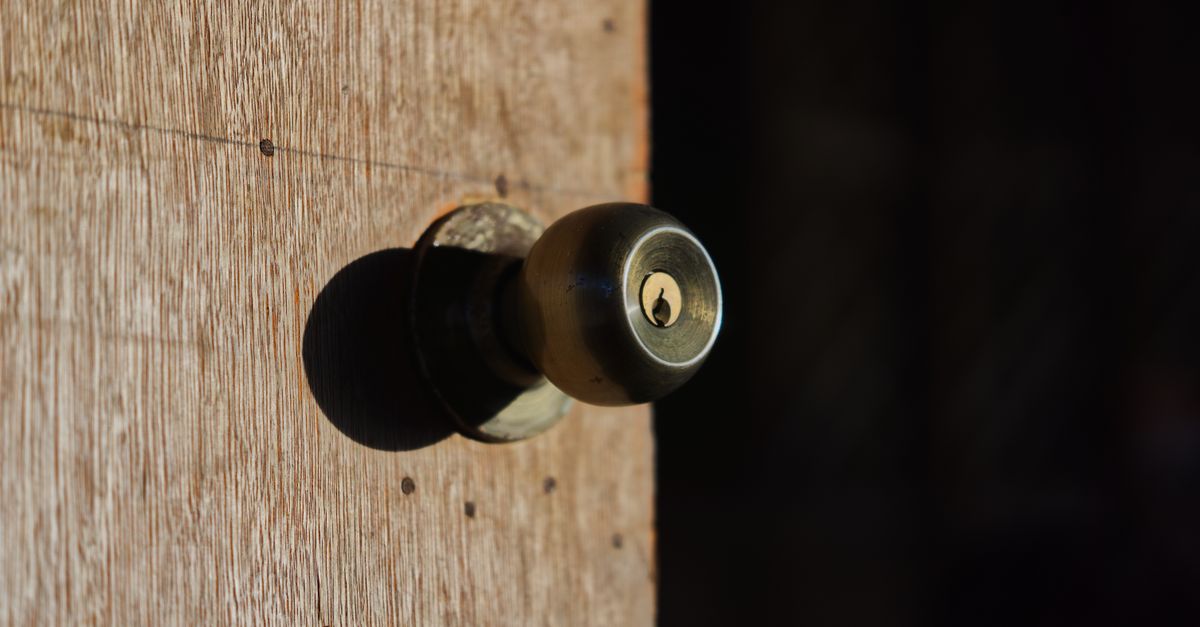
A basement door presents a unique set of vulnerabilities compared to a front or rear entry door. First, it's typically less visible to neighbours and street traffic, which gives a would-be intruder more time to work. Second, many basement doors — especially in Hamilton homes built in the 1950s through 1980s — were installed with basic door knob locks and no secondary deadbolt. A door knob lock alone offers very little resistance: the latch mechanism is small, the strike plate is often secured with short screws, and the knob cylinder itself is usually a lower-grade pin tumbler that can be defeated in seconds by someone with basic knowledge. Third, the door frame itself is frequently neglected. Even a high-quality lock won't stop a kick-in if the frame is rotted, the jamb is soft wood, or the strike plate is held in with half-inch screws. The door, the lock, the frame, and the hinges all need to work together as a system — and basement doors rarely have all four covered.
The good news is that most of these vulnerabilities are fixable without a full door replacement. The upgrades that make the biggest difference are targeted, relatively fast to install, and don't require you to rebuild your entire entryway.
## Choosing the Right Lock: Why a Mortise Lock Changes Everything
When homeowners ask us what single upgrade makes the most difference on an exterior basement door, the answer is almost always a mortise lock. Unlike a standard cylindrical lock — where the lock mechanism sits inside a cylindrical bore drilled through the door — a mortise lock is set into a deep rectangular pocket carved into the edge of the door itself. This gives it a dramatically larger and more robust body, a stronger latch mechanism, and better integration with the door's structure. Mortise locks are standard on commercial and institutional buildings for exactly this reason, and a skilled locksmith can install a residential-grade mortise lock on most exterior wood or steel basement doors. Paired with a reinforced steel strike plate secured with three-inch screws driven into the structural stud behind the jamb, a mortise lock makes a basement door exponentially harder to force open compared to a knob lock alone.
If a full mortise lock installation isn't in your immediate plans, the minimum you should have on an exterior basement door is a Grade 1 deadbolt — the highest residential security rating — installed above the existing knob lock. Look for deadbolts with a hardened steel bolt at least one inch in throw length and an anti-drill, anti-pick cylinder. Brands like Schlage and Kwikset both manufacture solid Grade 1 options. That said, if you want the most comprehensive solution and want it done right the first time, having an experienced locksmith handle the installation ensures the lock is properly aligned, the strike plate is correctly positioned, and the cylinder is fitted without gaps that could allow manipulation.
## Reinforcement Hardware: The Upgrades Most Homeowners Skip
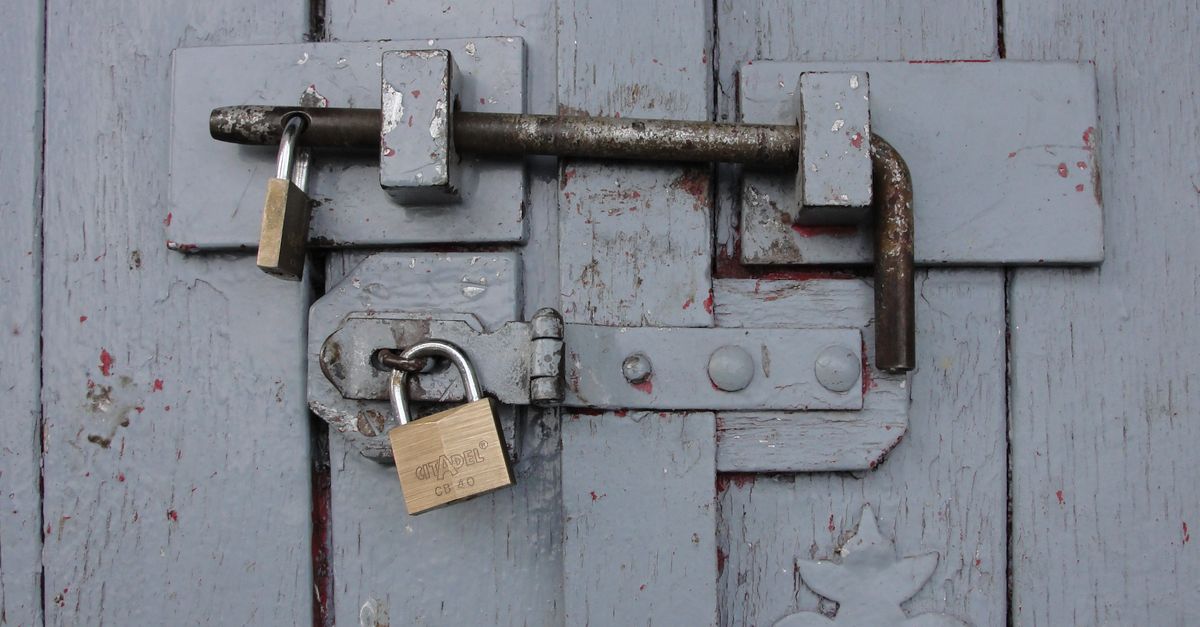
Locks get all the attention, but the hardware around the lock does just as much work. The three reinforcement upgrades that matter most for a basement door are: a heavy-gauge steel strike plate with four or more screw holes (replacing the standard two-hole builder-grade plate), door frame reinforcement armor that wraps around the jamb to prevent splitting on kick-in, and security hinges or hinge bolts if the door swings outward with exposed hinge pins. An outward-swinging door with exposed hinges can have the pins driven out from the outside — a problem a locksmith can solve quickly with security hinge bolts or non-removable hinge pins, a fix that costs almost nothing in parts but eliminates a real vulnerability. For basement hatch-style doors or bilco doors, the approach is different: heavy-duty padlock hasps with a closed-shackle padlock, or a dedicated hatch lock designed for below-grade applications, are the practical solutions. If your Hamilton home has a walk-out basement with a sliding patio-style door at ground level, add a secondary bar lock or pin lock to the track — sliding doors are among the easiest doors to bypass without proper secondary security.
One often-overlooked detail: door reinforcement only works if the door itself is solid. Hollow-core doors have no place as exterior entry points. If your basement door is hollow-core wood, replacing it with a solid-core wood or steel-insulated exterior door is the foundational step before any lock upgrade makes sense. An experienced locksmith can assess what you have during a security consultation and tell you honestly whether reinforcement hardware is sufficient or whether the door itself needs to go.
## Smart Locks and Keypad Options — and How to Keep Them Secure
Keypad door locks and smart locks have become genuinely practical for basement doors, particularly for households where family members come and go through a walk-out basement entrance. Being able to grant a unique code to a contractor, a dog walker, or a teenager without cutting a new key is a real convenience — and most quality keypad locks let you delete codes that are no longer needed without replacing hardware. If you've had a contractor or houseguest use a basement door code and you want to change it afterward, knowing how to change the code on a keypad door lock yourself is a basic skill worth having. Most keypad locks from established manufacturers walk you through the process with a short button sequence outlined in the manual — typically involving a programming button on the interior side and a sequence of inputs to confirm the new code. If you've lost the manual or inherited the lock when you bought your home, the manufacturer's website almost always has the programming guide. Changing the door lock code regularly — especially after a tenant move-out or the end of a renovation — is a simple habit that closes a real security gap.
One thing to keep in mind: even the best keypad lock has an underlying mechanical cylinder as a backup entry method. That cylinder is subject to the same vulnerabilities as any other lock. A professional locksmith can rekey that cylinder to match your existing house key or set it to a unique key so there's no confusion about which keys work which doors. Rekeying — which involves replacing the pins inside the cylinder rather than the entire lock — is almost always faster and more cost-effective than full hardware replacement when the lock body itself is in good shape. The factors that determine the final price on any locksmith service call include the lock type and brand, the work required, travel distance within the Hamilton area, and the time of day; our team confirms an exact up-front price before any work begins, so there are no surprises.
## When to Call an Emergency Locksmith — and What a Professional Assessment Actually Covers
There are a few situations where a professional locksmith visit is the right call rather than a DIY approach. If you've just moved into a Hamilton home and don't know how many copies of the basement door key are floating around from previous owners, having a locksmith rekey the lock is the most thorough solution — it's faster than changing out the hardware, and it ensures that every previous key is instantly useless without you needing to track them down. If your basement door lock has been damaged — whether from a break-in attempt, storm damage, or simple wear — a trained locksmith can assess whether the cylinder, the lock body, or the full door hardware needs to be replaced, and handle the work on the spot. Maple Guard Locksmith Hamilton operates as a 24/7 mobile emergency locksmith, which means if you find a damaged basement door lock at midnight or discover a security issue after a break-in attempt, you can call (289) 512-9870 and have a skilled technician at your Hamilton address the same night.
A proper locksmith security assessment of a basement door covers more than just the lock. It includes the door material and condition, frame integrity, hinge security, strike plate strength, and whether the existing locks are correctly installed and aligned. It also covers whether the door knob lock currently installed is appropriate for an exterior application — many builder-installed knob locks are interior-grade hardware that was never designed for outdoor exposure or security use. For homeowners who've recently bought in neighbourhoods like Durand, Westdale, or the Beasley area — where older housing stock is common — a one-time professional walkthrough of all entry points, including the basement door, is genuinely worth doing. Our team also handles commercial locksmith work for Hamilton businesses, so if you're running a home-based business with basement storage, we can advise on commercial-grade hardware that goes beyond standard residential options.
## A Quick Basement Door Security Checklist for Hamilton Homeowners
Before calling in a professional or heading to the hardware store, walk through this checklist to identify where your biggest gaps are. Start with the lock itself: is it a deadbolt, a mortise lock, or only a door knob lock? If it's only a knob lock, that's priority one. Next, look at the strike plate — how many screws does it have, and how long are they? Short screws in a standard jamb plate are a kick-in waiting to happen. Check the door material: solid or hollow? Check the hinges: exposed pins on an outward-swinging door? Check the door frame: any signs of rot, soft wood, or previous damage? Check whether the lock cylinder is keyed separately from your other house locks, creating unnecessary extra keys in circulation. And if there's a keypad, when was the code last changed? Running through this list takes about five minutes and gives you a clear picture of exactly where to focus your effort and budget. If you find multiple issues — or you're unsure how to change a lock, assess frame integrity, or select the right replacement hardware — calling a qualified locksmith to do a full assessment is the most efficient next step. Reach out to Maple Guard Locksmith Hamilton at (289) 512-9870 any time of day or night.
## Our Basement Door and Home Security Services
Maple Guard Locksmith Hamilton provides a comprehensive range of locksmith services for Hamilton homeowners and businesses. Our services include: mortise lock installation and repair, deadbolt installation and upgrade, door knob lock replacement, Grade 1 residential lock installation, lock rekeying for all residential lock types, master key system setup for multi-entry homes, keypad door lock installation, smart lock installation and programming, door lock code change assistance and cylinder rekeying, high-security cylinder upgrades, strike plate reinforcement installation, door frame reinforcement and armor installation, hinge security bolt installation, security consultation and full home entry point assessment, broken key extraction, locked-out homeowner emergency response, residential lockout service, basement door hardware assessment and upgrade, sliding door and patio door secondary lock installation, hatch and bilco door lock installation, padlock and hasp installation, commercial locksmith services for Hamilton businesses, commercial-grade door hardware installation, re-keying after tenant or contractor turnover, lock repair after break-in attempt or weather damage, and same-day lock change service across the Hamilton area.
## Understanding Lock Rekeying vs. Changing Your Locks
One of the most common questions we get from Hamilton homeowners is whether to rekey a lock or replace it entirely. Knowing how to rekey a lock — or understanding what the process involves — helps you make the right call. Rekeying means a locksmith removes the lock cylinder and replaces the internal pin tumblers so that the old key no longer works and a new key operates the lock. The lock body, the knob or lever, and all the hardware stay in place. This is the right choice when the existing lock hardware is in good condition and you simply need to invalidate old keys — after buying a home, after a tenant moves out, or after losing a key. Changing a lock — replacing the entire hardware set — makes more sense when the existing lock is worn, damaged, the wrong grade for the application, or you want to upgrade to a higher-security option like a mortise lock or a smart lock. Both services are fast when performed by an experienced technician, and the final cost depends on the lock type, the number of locks being serviced, and the time and location of the call. We always confirm pricing up front before any work begins.
Frequently asked questions
How do I know if my basement door knob lock is secure enough for an exterior door?+
A door knob lock on its own is generally not sufficient for an exterior door. Knob lock cylinders are smaller and more vulnerable than deadbolt cylinders, and the latch bolt is narrow and spring-loaded, which makes the door easier to force open. For any exterior basement door, you should have at minimum a Grade 1 deadbolt installed above the knob lock, or better yet, a mortise lock that integrates a deadbolt and latch in a single robust body. If you're unsure what you currently have, a quick professional assessment from a trained locksmith will give you a clear picture and specific upgrade options suited to your door.
How do I change the code on my basement's keypad door lock?+
The process for how to change the code on a keypad door lock varies slightly by manufacturer and model, but most keypad locks follow a similar pattern: locate the programming button on the interior side of the lock (sometimes under a cover panel), press and hold it until you hear a beep or see a light indicator, then enter your current master code followed by the new code you want to set, and confirm. The detailed steps are in your lock's manual or on the manufacturer's website using your model number. If the lock was already installed when you moved in and you don't know the existing master code, a locksmith can help reset or rekey the mechanical cylinder backup — just call (289) 512-9870 and we'll walk you through your options.
What's the difference between rekeying and changing a lock, and which do I need for my basement door?+
Rekeying changes the internal pins in your existing lock cylinder so the old key no longer works — the hardware stays the same. It's the right move when your lock is in good shape and you just need to control who has a working key. Changing a lock means replacing the entire hardware unit, which makes sense when the lock is worn, damaged, the wrong type for the application, or you want to upgrade to a higher-security option like a mortise lock. For a basement door where the existing hardware is a basic knob lock or an older deadbolt, we'd typically recommend a full lock upgrade rather than rekeying, since you're also improving security grade at the same time. A qualified locksmith can assess your specific hardware and recommend the most practical option.
Can I upgrade my basement door lock myself, or should I hire a locksmith?+
Basic deadbolt installations are within the range of a confident DIYer if the door already has a correctly sized bore hole and the frame is in good condition. However, mortise lock installation requires precise chiseling of a deep pocket into the door edge — a job where even a small misalignment affects how the lock functions long-term, and mistakes can weaken the door itself. Frame reinforcement, hinge security work, and any situation involving a damaged door or frame are also jobs where professional installation produces a much more reliable result. If you're dealing with an older Hamilton home where the door, frame, or jamb may have wear or rot, having an experienced locksmith handle the assessment and installation ensures the security upgrade actually holds up.