Maple Guard Locksmith Hamilton Service Team
Local locksmith team
Oct 6, 2026 11 min read
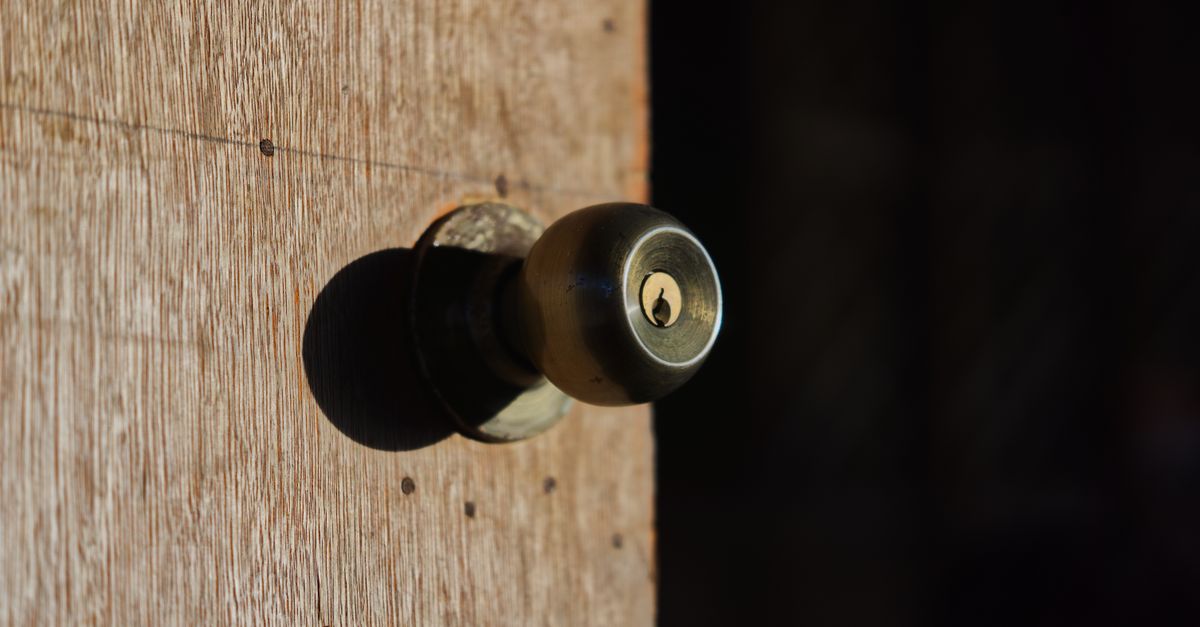
You turn the key, feel it rotate, and then — nothing. The door just sits there. This particular brand of frustration is surprisingly common in Hamilton homes, from century-old row houses in the North End to newer builds out near Ancaster, and it almost always has a fixable mechanical cause. The good news is that a key turning without the door opening rarely means the whole lock needs replacing. The bad news is that diagnosing the exact culprit takes a careful eye, because three or four different failures can produce the exact same symptom.
This guide walks you through the most likely causes — a misaligned strike plate, a worn or swollen latch, a failing mortise lock mechanism, or a problem with the door itself — and explains what you can realistically address yourself and when calling a professional locksmith Hamilton homeowners trust is the smarter, safer move.
## Why a Turning Key Still Leaves You Locked Out
When a key turns but the door knob lock won't unlock the door, the lock cylinder is doing its job — the problem lives downstream. Think of the lock as a chain: cylinder, cam or tailpiece, latch or bolt, strike plate, door frame. A break anywhere in that chain produces the same result. Understanding which link failed determines whether you need a screwdriver, a plane, or a professional mortise lock repair. The three most common failures in Hamilton homes are a latch that is no longer retracting fully, a strike plate that has shifted out of alignment, and an internal mechanism — especially inside older mortise locks — that has worn to the point where turning the key no longer moves the bolt.
Seasonal factors make this worse here than in many other Ontario cities. Hamilton sits between the Niagara Escarpment and Lake Ontario, which means the humidity swings between humid summer air off the lake and dry winter cold rolling down from the Mountain. That cycle causes wooden door frames to expand and contract year-round, gradually pulling strike plates and latches out of their intended alignment. If your door started sticking in July and now the door knob lock won't turn or the latch drags, that seasonal movement is almost certainly involved.
## Strike Plate Misalignment — The Most Common Culprit
The strike plate is the metal faceplate recessed into your door frame that the latch or deadbolt slides into. When a door frame shifts — through seasonal swelling, settling foundation, or simply years of use — the hole in the strike plate no longer lines up with the path of the latch. You turn the key, the latch retracts perfectly, but the moment you release the key the latch tries to seat itself against the edge of the plate rather than inside the pocket, and the door binds. This is especially common on older steel-frame storm doors and heavy solid-wood entry doors found throughout Hamilton's older West End and Durand neighbourhoods. To check this, watch the latch as you slowly close the door in daylight — you can often see it graze the strike plate lip rather than drop cleanly into the pocket.
A minor misalignment can sometimes be corrected by loosening the strike plate screws and repositioning the plate a few millimetres, then using longer screws (at least 75 mm) to anchor it back into the structural framing rather than just the door jamb trim. If the gap is larger, the pocket itself may need to be chiselled out slightly. Be cautious here: removing too much material weakens the frame, and an improperly positioned strike plate reduces your door's resistance to forced entry — something worth keeping in mind when the fix is anything more than a minor adjustment.
## Worn Latch and Door Knob Lock Mechanisms
If the strike plate looks correctly positioned but the door still refuses to open, the problem is likely in the latch assembly or the internal mechanism of the door knob lock itself. Latches wear a bevelled face over years of use. When that bevel flattens, the spring that should snap the latch back into the extended position loses its mechanical advantage, and the latch either moves sluggishly or stops retracting fully when you turn the key. You can test this with the door open: turn the knob or key and watch the latch. If it retracts only partway, or requires unusual force, the latch cartridge is worn and needs replacement. Kwikset and Schlage both sell replacement latch kits for common residential knob and lever sets, and swapping just the latch mechanism is a straightforward repair for most homeowners.
Lever door handle mechanisms add one more failure point: the lever return spring. When that spring weakens, the lever droops and the geometry between the lever spindle and the latch cam shifts just enough that turning the lever no longer fully retracts the latch. This is what people describe when they say a lever door handle won't lock or won't release properly — the handle feels loose, or it takes an awkward angle of force to get any response. Replacing the spring or the full lever set is usually the repair. If you have a Stanley lever lock that won't lock or a similar branded set, check the manufacturer's website for replacement parts before assuming the entire lockset needs to go.
## Mortise Lock Problems — When the Internal Mechanism Fails
Mortise locks deserve special attention because they are the standard in Hamilton's older building stock — Victorian-era homes, Edwardian doubles, and older commercial properties along James Street North and King William are full of them. A mortise lock is a self-contained unit that drops into a rectangular pocket (the mortise) carved into the edge of the door. Inside that unit live the latch, the deadbolt, multiple cams, springs, and levers all working together. When a mortise lock won't open despite the key turning, the failure is almost always internal: a broken cam, a snapped internal lever, or a spring that has lost tension after decades of cycling. Unlike a standard knob set where you can swap the latch cartridge for $20 at a hardware store, a failing mortise lock mechanism typically requires the unit to be removed, disassembled, repaired or replaced, and reinstalled — work that needs an experienced hand to avoid damaging the door itself.
If you have a mortise lock that won't unlock and you are standing outside your own home, do not try to force the door or pry at the lock body. A damaged mortise pocket is expensive to repair and can compromise the structural integrity of the door slab. This is exactly the scenario where calling Maple Guard Locksmith Hamilton is the right move. Our team works with mortise hardware regularly, carries common replacement parts, and can often complete the repair on-site during a single visit — no need to leave your home unsecured overnight. If you are locked out right now, call us at (289) 512-9870 and we will have someone on the way.
## When the Door Itself Is the Problem — and What to Do Next
Sometimes the lock and latch are both fine, and the door is the problem. A door that has sagged on its hinges, warped from moisture, or swollen beyond its frame creates so much friction between the door edge and the frame that the latch cannot travel far enough to clear the strike plate pocket, even if the key is turning the mechanism correctly. You can diagnose this by unlatching the door, swinging it open, and checking whether it swings freely or scrapes at the top or bottom of the frame. Loose hinge screws are the first thing to check — tightening them or replacing them with longer screws often lifts a sagging door back into alignment. A visibly warped or swollen door may need planing or the door frame may need adjustment, which is carpentry work outside the scope of a locksmith but worth coordinating before a new lock is installed.
Once you have confirmed whether the issue is the lock mechanism, the latch, the strike plate, or the door frame, you have a clear repair path. Minor strike plate adjustments and latch cartridge swaps are DIY-friendly with basic tools. Mortise lock repairs, internal mechanism failures, and any situation where you are currently locked out of your own home are best handled by a professional emergency locksmith. For Hamilton homeowners and business owners dealing with a failing mortise lock, a stuck commercial lock, or any after-hours lockout, Maple Guard Locksmith Hamilton is available around the clock. We also carry and install residential and commercial hardware, help with door knob lock replacements across the Hamilton Mountain, Stoney Creek, Dundas, and Flamborough areas, and service vehicles as well. To get an exact price confirmed before any work begins — factored for the type of hardware, travel distance, time of day, and any parts required — call (289) 512-9870 any time, day or night.
## 25 Locksmith Services We Provide in the Hamilton Area
Maple Guard Locksmith Hamilton handles a wide range of residential, commercial, and automotive locksmith needs across Hamilton and the surrounding communities. Here is what our team can help with: residential door knob lock replacement and rekey; mortise lock repair and full mechanism replacement; deadbolt installation and upgrade on exterior doors; lever door handle repair and replacement; strike plate realignment and reinforcement; high-security lock upgrades for entry doors; lock rekey after a tenant change or key loss; smart lock installation and troubleshooting; sliding door and patio door lock repair; garage side-door lock installation; mailbox and storage lock replacement; door closer adjustment on commercial doors; commercial door knob lock and lever set installation; commercial mortise lock service and overhaul; panic bar and push bar device installation and repair; master key system design and implementation; access control hardware installation for small businesses; intercom-integrated door lock setup; car lockout service for all makes and models; vehicle key extraction when a key breaks in the ignition or door; automotive key cutting and programming; transponder key duplication; key fob battery replacement and reprogramming; lost key replacement for residential and commercial properties; and lock inspection and security assessment for Hamilton homeowners who want peace of mind after a break-in or near-miss.
Frequently asked questions
Why does my key turn all the way but the door knob lock won't unlock the door?+
When the key turns freely but the door stays shut, it almost always means the lock cylinder is functioning correctly but something is blocking the latch or bolt from completing its movement. The three most likely causes are a misaligned strike plate that the latch is catching on, a worn latch mechanism that is not retracting fully, or a broken internal cam or spring inside the lock body — especially common in older mortise locks. Start by watching the latch move with the door open. If it retracts cleanly, the strike plate alignment is your first place to look. If the latch moves sluggishly or incompletely, the latch assembly itself needs attention.
Can I fix a mortise lock that won't open on my own, or do I need a locksmith?+
Mortise locks are more complex than standard cylindrical knob or lever sets. Because the entire mechanism sits inside a carved pocket in the door edge, removing and reassembling it without experience risks damaging the mortise pocket, cracking the door edge, or losing small internal components that are no longer easy to source. If the door is currently closed and you cannot get it open, do not attempt to force the lock or the door — call a professional. If the door is open and you want to attempt a DIY repair, there are instructional resources available, but sourcing correct replacement parts for older Canadian or European mortise hardware can be challenging. In most cases, having an experienced locksmith handle mortise lock work saves time and protects the door.
How much does it cost to fix a door that the key turns but won't open?+
The final price for this type of repair depends on several factors: the type of lock hardware involved (a standard latch replacement is a simpler job than a full mortise lock overhaul), the time of day and whether it is an after-hours or weekend call, travel distance to your location within the Hamilton area, and whether any parts need to be sourced or are available on the service vehicle. At Maple Guard Locksmith Hamilton, we confirm an exact price before any work begins so there are no surprises. To get an accurate quote for your specific situation, call us at (289) 512-9870.
My lever door handle won't lock from the inside — is that a different problem than the key not working outside?+
Yes, these are usually separate issues. A lever door handle that won't lock from the inside typically points to a worn or broken thumb-turn mechanism, a stripped spindle connection between the interior lever and the latch cam, or a failed locking button. None of these affect how the key operates from the exterior cylinder. The fix is usually a replacement of the interior rose assembly or the full lever set. That said, if both the interior and exterior functions are failing around the same time, it can signal a more widespread mechanism failure — which is worth having assessed by a qualified locksmith to determine whether a repair or a full replacement is the better long-term solution.