Maple Guard Locksmith Hamilton Service Team
Local locksmith team
Aug 3, 2026 9 min read
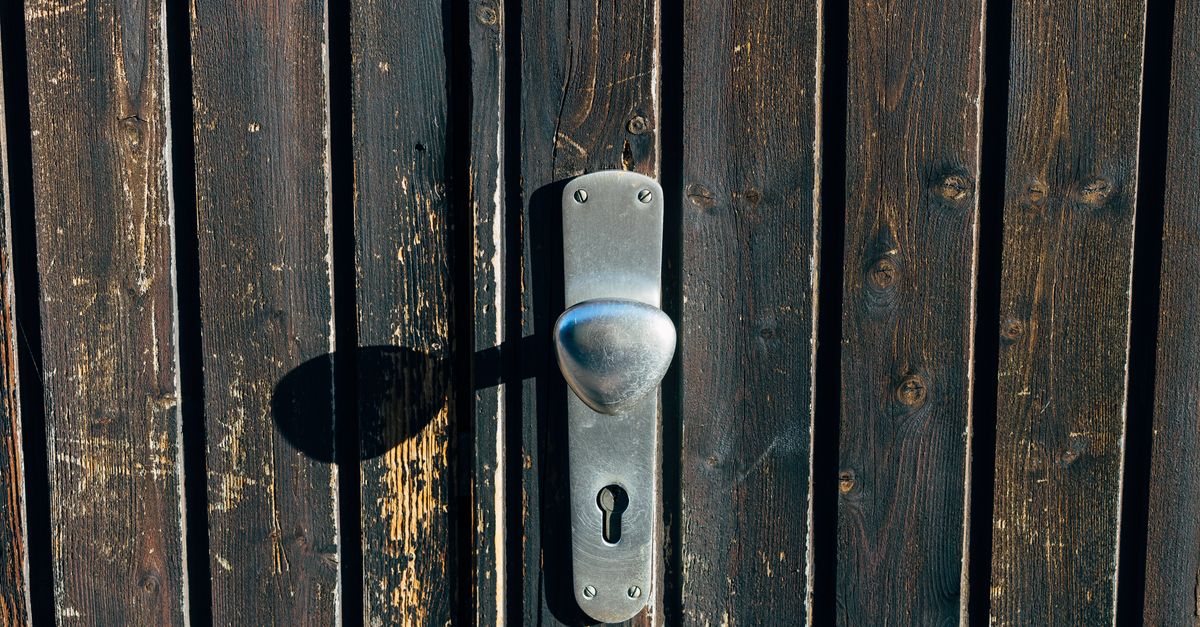
Your deadbolt is the last line of defence between your family and whatever is happening outside on a Hamilton winter night — whether you live near the quiet streets of Westdale, the older row houses along Barton Street, or a newer build out in Stoney Creek. Most homeowners never give that lock a second thought until it fails at the worst possible moment. But deadbolts do age, wear down, and eventually stop doing their job quietly and without obvious drama, which is exactly what makes a failing deadbolt so dangerous.
This guide walks you through the real warning signs that your deadbolt is overdue for replacement, explains why some situations call for a full swap rather than a repair, and shows you how a skilled locksmith — particularly one experienced with mortise lock systems — can assess what you actually need before any money changes hands.
## Warning Signs Your Hamilton Deadbolt Is Telling You Something
A deadbolt rarely quits all at once. Instead, it sends signals over weeks or months that most homeowners chalk up to the cold, humidity, or a door that just needs a little muscle. In Hamilton's climate — where freeze-thaw cycles batter exterior hardware from November through March — that gradual decline is common, but it should never be ignored. The key is knowing which signs are cosmetic and which ones mean the lock's internal mechanism is compromised.
Stiffness when turning the key is the most common complaint, and it sits on a spectrum. A small amount of seasonal resistance, especially on an exterior door that faces north or west, can sometimes be resolved with a light graphite lubricant applied to the keyway. But if you are putting real effort into the turn, if the cylinder feels gritty or catches mid-rotation, or if you have already lubricated the lock and the problem came back within weeks, the internal components — springs, pins, or the plug itself — are likely worn past the point of a simple fix. A trained locksmith can tell the difference in minutes.
## Visible Wear, Rust, and Outdated Grade Ratings on Your Deadbolt
Take a close look at your deadbolt hardware right now. Scoring or scratches around the keyhole can indicate someone has attempted entry, but they can also just be years of normal use. More telling are signs of corrosion on the bolt itself, a faceplate that no longer sits flush with the door edge, or a thumb-turn on the interior that spins loosely without fully extending the bolt. Any of these means the lock is not functioning as engineered. A deadbolt that looks solid from the outside but fails to fully extend its bolt is providing almost no real security at all.
Grade ratings matter too, and this is something Hamilton homeowners rarely consider. The American National Standards Institute grades residential deadbolts from Grade 1 (the strongest, tested to withstand hundreds of strikes) down to Grade 3 (builder-grade, minimal security). Many homes in Hamilton's older neighbourhoods — particularly houses built in the 1960s through the 1980s — still have their original locks, which may not meet current Grade 1 or even Grade 2 standards. If you do not know your lock's grade, a qualified locksmith can identify it quickly and explain whether an upgrade makes sense for your specific door setup. For doors with a mortise lock pocket already routed into the door slab, the options for upgrading are actually broader than on a standard bored-hole door, and a mortise lock installation can deliver significantly better resistance to both kick-in and drill attacks.
## Mortise Lock Systems: When Repair Is Not Enough
Many Hamilton homes — especially the character houses and duplexes throughout the lower city and on the Mountain — were originally fitted with mortise lock hardware rather than the cylindrical deadbolts common in newer subdivisions. A mortise lock is set into a pocket cut into the door itself and typically combines a latch and a deadbolt in a single housing. These systems are robust when functioning properly, but the internal case can wear out, the cam can strip, or the cylinder can loosen in ways that are not visible without removing the hardware. When a mortise lock starts misbehaving, the question of repair versus replacement requires a careful assessment — not a guess.
Our team at Maple Guard Locksmith Hamilton works with mortise lock systems regularly, sourcing replacement cases and cylinders from trusted hardware manufacturers like Schlage and Kwikset where they fit, and sourcing commercial-grade mortise components where the application demands it. If your home has an original mortise lock that is decades old, a full replacement of the lock case — rather than just the cylinder — is often the more reliable long-term solution. We will always explain the options clearly and confirm the exact price before any work begins, so there are no surprises on either side. If you are unsure whether your door even has a mortise lock or a standard bored lock, that is a straightforward thing to check — just call us at (289) 512-9870 and we can walk you through it or come take a look.
## Emergency Locksmith Situations That Start With a Failing Deadbolt
A worn deadbolt does not always fail gradually — sometimes it fails completely, and it rarely chooses a convenient moment to do so. A key that snaps inside the cylinder, a bolt that refuses to retract when you are trying to leave for work in an icy Hamilton morning, or a lock that simply stops responding to the correct key are all scenarios that turn a maintenance issue into an emergency locksmith call. In these situations, the goal is not just to get the door open but to restore security to the home immediately, because a forced-open door is just as vulnerable as a broken lock.
When our team responds to an emergency locksmith call in Hamilton, we assess whether the existing lock can be salvaged or whether replacement is the right call. A snapped key, for example, can sometimes be extracted from an otherwise-functional cylinder — but if the cylinder was already worn before the break, extraction followed by a replacement cylinder is often the smarter move. We carry a range of replacement hardware on our vehicles precisely because we know Hamilton homeowners need their security restored in a single visit, not across multiple appointments.
## Repair, Rekey, or Replace: A Practical Framework for Hamilton Homeowners
The right answer is not always a full replacement, and a trustworthy locksmith will tell you that plainly. Rekeying — where the internal pin configuration of the cylinder is changed so old keys no longer work — is a smart move after moving into a new home, after a tenancy change, or after losing a key. It is significantly less involved than replacement and is appropriate when the lock hardware itself is still in good mechanical condition. Repair covers scenarios like a misaligned strike plate, a loose mounting screw causing the bolt to bind, or a door that has settled slightly on its hinges. These are inexpensive fixes that restore normal function without touching the lock cylinder.
Full replacement makes sense when the lock grade is insufficient, when the mechanism is worn past reliable function, when you are upgrading from a door knob lock or lever handle to a proper deadbolt, or when you are installing a mortise lock system on a door that would benefit from the added security. For homeowners adding a deadbolt to a secondary entrance or a rental unit, or for small businesses considering a commercial locksmith assessment of their entry points, the cost factors that shape the final quote include the type of lock being installed, whether any door prep work is required, the time of day, and travel distance to your location. We confirm the exact up-front price before any work starts — that is just how we operate. Factors like whether you need a high-security cylinder or a standard residential grade also affect the final figure, and our team will walk through each option with you so you can make an informed decision.
Frequently asked questions
How do I know if my deadbolt needs replacing or just lubricating?+
Start with a graphite lubricant applied to the keyway — do not use WD-40, which can attract debris and gum up the cylinder over time. If stiffness persists after lubrication, or if the bolt does not extend and retract smoothly through its full travel, the internal mechanism is likely worn. Other clear replacement indicators include visible corrosion on the bolt, a cylinder that rotates past the locking point without engaging, or a lock that is Grade 3 on an exterior entry door. When in doubt, a quick assessment by an experienced locksmith costs nothing in terms of commitment — we will tell you honestly whether a repair or a replacement is warranted before any work begins.
Can a locksmith replace a mortise lock the same day I call?+
In most cases, yes. Our mobile team carries a range of mortise lock cases, cylinders, and hardware suited to the door types common in Hamilton homes and commercial properties. Mortise lock replacement does take longer than swapping a standard cylindrical deadbolt because it involves working within the existing door pocket and ensuring the new case aligns correctly with the strike plate and door edge. We will give you a realistic time estimate and a confirmed price before we start. If a specific component needs to be sourced, we will let you know immediately rather than partway through the job.
Is it worth upgrading from a door knob lock to a deadbolt on a secondary entrance?+
Almost always, yes. A door knob lock or a lever-handle lockset provides meaningful resistance against casual entry but is significantly weaker than a properly installed deadbolt when it comes to forced entry. The bolt throw on a deadbolt — typically one inch — engages deeper into the strike plate and door frame than a spring latch, making kick-in attacks substantially harder. For secondary entrances, basement doors, and garage-to-house connections, adding a Grade 1 deadbolt alongside the existing door knob lock is one of the most practical security upgrades a Hamilton homeowner can make. The final cost depends on the door type, the hardware selected, and whether any door prep is needed — we confirm the exact figure before starting.
What should I do if my key breaks inside the deadbolt late at night?+
Do not attempt to dig the broken key fragment out with a screwdriver, knife, or pin — this almost always pushes the fragment deeper into the cylinder or damages the internal pins, making extraction harder and sometimes making the lock irreparable. If you have a spare key and the broken piece is protruding enough to grip with needle-nose pliers, you can try a gentle straight pull. If that does not work immediately, stop and call a professional. Maple Guard Locksmith Hamilton answers 24/7, including nights, weekends, and holidays. Our emergency locksmith response covers all of Hamilton — call (289) 512-9870 and we will get to you quickly, assess whether the cylinder can be salvaged, and restore security to your home in a single visit.